
Malaysian-style dressing tables, a fusion of tradition and modernity, offer a captivating blend of aesthetic appeal and cultural significance. From intricate carvings to thoughtfully designed storage, these tables are more than just furniture; they’re a reflection of a rich heritage. Their design draws on centuries of craftsmanship, utilizing local materials and techniques to create pieces that are both functional and beautiful.
This exploration delves into the intricate details of Malaysian-style dressing tables, examining their design elements, cultural context, and modern adaptations. We’ll examine the key features, from the symbolic mirrors to the thoughtful storage solutions, and how these pieces seamlessly integrate into a bedroom setting.
Defining Malaysian Style Dressing Tables
Malaysian-style dressing tables are a rich tapestry woven from diverse cultural influences, reflecting a unique blend of tradition and modernity. These pieces often incorporate elements of local craftsmanship, showcasing the country’s artistic heritage. Beyond mere furniture, they serve as a visual representation of Malaysian identity, subtly incorporating aspects of the nation’s history and aesthetics.These tables are not simply functional pieces; they are imbued with cultural significance, often incorporating intricate carvings, inlaid woods, and vibrant colours that speak to the nation’s vibrant artistic expression.
They transcend their utilitarian purpose, becoming cherished family heirlooms that tell stories of generations past.
Aesthetic Characteristics
Malaysian-style dressing tables are characterized by a harmonious blend of traditional and contemporary elements. Ornate carvings, often depicting floral motifs, mythical creatures, or scenes from everyday life, are common. The use of natural materials like teak, rosewood, and ebony, often accented with brass or copper inlays, contributes to their rich aesthetic. The colour palette frequently includes warm tones, such as deep reds, rich browns, and golds, reflecting the warmth and vibrancy of the Malaysian landscape.
Cultural and Historical Influences
The design of Malaysian-style dressing tables is deeply rooted in the nation’s diverse cultural heritage. Influences from Malay, Chinese, Indian, and indigenous communities have all contributed to the unique aesthetic. Traditional Malay motifs, often featuring intricate patterns and symbols, are frequently incorporated into the designs. Chinese artistic sensibilities, with their emphasis on craftsmanship and decorative elements, are also visible in the choice of materials and patterns.
Materials Used
The materials used in Malaysian-style dressing tables often hold cultural and practical significance. Teak, known for its durability and resistance to rot, is a popular choice. Rosewood, prized for its beautiful grain and rich colour, is frequently used for inlay work. Ebony, with its deep black hue, adds a touch of elegance and sophistication. The use of brass or copper inlays adds a warm metallic sheen and enhances the overall aesthetic appeal.
The selection of materials reflects the availability and cultural value assigned to specific woods in the region.
Styles of Malaysian-Style Dressing Tables
Malaysian-style dressing tables encompass a range of styles, catering to varying tastes and preferences. From traditional pieces with intricate carvings to contemporary designs with sleek lines and modern finishes, there is a style for every home.
Table of Different Styles
| Style | Features | Common Materials |
|---|---|---|
| Traditional | Intricate carvings, elaborate inlays, rich colour palettes, often incorporating motifs of local flora and fauna. | Teak, Rosewood, Ebony, Brass Inlays |
| Modern | Sleek lines, minimal design, use of contemporary materials, often featuring a minimalist approach to decoration. | Laminated Wood, Metal, Glass |
| Contemporary | A fusion of traditional and modern elements, incorporating contemporary design features with traditional carvings or inlays. Emphasis on functionality and aesthetics. | Teak, Rosewood, Metal, Glass, Acrylic |
Key Features and Components
Malaysian-style dressing tables, deeply rooted in local aesthetics and functionality, are more than just furniture. They are a reflection of the nation’s rich cultural heritage, blending traditional craftsmanship with modern practicality. These pieces often feature intricate details, natural materials, and thoughtful storage solutions, catering to the unique needs of a Malaysian household.These dressing tables are designed with a keen eye for balance between elegance and utility.
They seamlessly integrate into the home, providing both a place for daily grooming and a showcase for personal style. The careful selection of materials and components contributes to their enduring appeal and ability to serve as a family heirloom.
Essential Components
Malaysian-style dressing tables typically feature a combination of key components, designed for both beauty and functionality. A strong emphasis is placed on practical storage, reflecting the importance of organization in daily life.
- Vanity Top: This is the primary surface for grooming activities. Common materials include solid wood, such as teak or mahogany, often finished with a polished or lacquered surface for durability and a smooth feel. Sometimes, decorative inlays or carvings are used, adding a touch of cultural identity to the vanity top.
- Drawers and Cabinets: Ample storage is a hallmark of Malaysian-style dressing tables. Drawers are often fitted with soft-close mechanisms for smooth operation and to minimize noise. Cabinets, often with sliding doors, provide additional space for toiletries, accessories, and other personal items. The organization within these compartments plays a crucial role in maintaining a clutter-free space.
- Mirrors: A large, ornate mirror is a vital component, allowing for comprehensive grooming. Mirrors often have decorative frames, intricately carved or inlaid with mother-of-pearl or other precious materials. The reflective surface facilitates careful application of makeup and a clear view of one’s appearance.
Storage Space
The importance of storage in Malaysian-style dressing tables cannot be overstated. The design often prioritizes maximizing space for personal items, reflecting a need for organization in a culture where family and personal belongings are often cherished.
- Drawers and compartments: The careful arrangement of drawers and compartments within the dressing table allows for easy access to cosmetics, jewellery, and personal care items. The inclusion of dividers and organizers further optimizes the utilization of space within the available storage.
- Hidden storage: Some designs incorporate hidden storage compartments, such as pull-out trays or concealed drawers, to further increase the capacity and keep items out of sight when not in use. This ensures a tidy and uncluttered aesthetic, which aligns with the Malaysian preference for order and organization.
Mirrors and Their Significance
The mirror is not just a functional component but a significant part of the dressing table’s aesthetic. Its design often incorporates intricate details and reflects the cultural emphasis on personal presentation.
- Size and Shape: The size and shape of the mirror are crucial. A large, full-length mirror allows for a complete view of one’s appearance, an important aspect of self-presentation in Malaysian culture.
- Decorative Frames: The frame of the mirror often features intricate carvings, inlay work, or other decorative elements, adding to the overall beauty of the dressing table and showcasing the craftsmanship of the piece.
Key Features Table
| Feature | Function |
|---|---|
| Vanity Top | Primary surface for grooming activities |
| Drawers and Cabinets | Storage for toiletries, accessories, and personal items |
| Mirrors | Allow for comprehensive grooming and add to the overall aesthetic |
| Storage Space | Maximizes the use of available space for personal belongings |
Materials and Craftsmanship
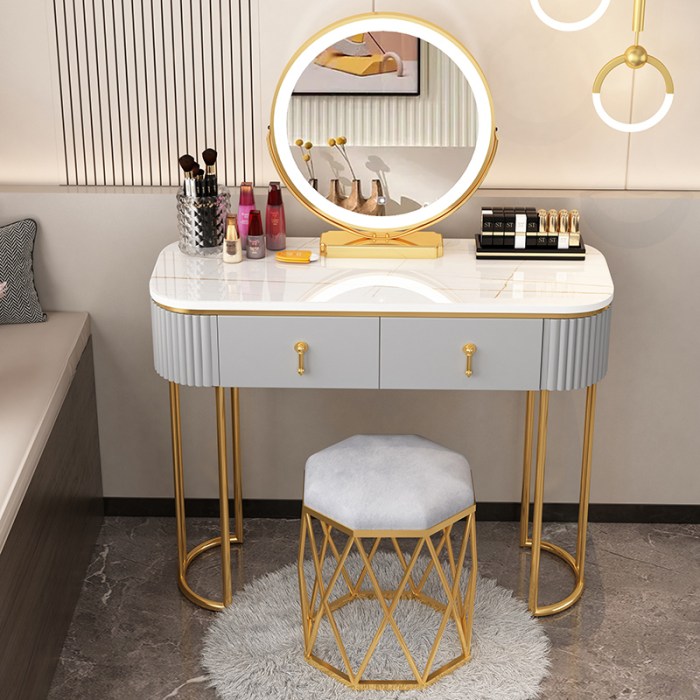
Malaysian-style dressing tables, a fusion of tradition and modernity, showcase a deep connection to local artistry and natural resources. The careful selection of materials, coupled with time-honored craftsmanship, imbues these pieces with a unique character that resonates with Malaysian cultural heritage. From intricate carvings to the selection of specific wood types, each element contributes to the enduring appeal of these pieces.The use of traditional materials and craftsmanship techniques is not merely decorative; it reflects a commitment to quality and sustainability.
Contemporary designs often incorporate modern materials while maintaining the essence of the aesthetic, allowing the tables to remain relevant and appealing to contemporary tastes. The thoughtful integration of these elements underscores the enduring appeal of Malaysian-style dressing tables.
Traditional Materials
Malaysian-style dressing tables often utilize a range of locally sourced materials, reflecting the country’s rich biodiversity. Teak, known for its strength and durability, is a popular choice, frequently used for the main structure. Other hardwoods, like meranti and mahogany, are also prevalent, contributing to the tables’ strength and visual appeal. The choice of material often reflects regional variations in timber availability and cultural preferences.
Craftsmanship Techniques
The construction of these tables often involves traditional craftsmanship techniques passed down through generations. Intricate carvings, often depicting floral motifs or symbolic patterns, are a hallmark of these pieces. Expert joinery ensures structural integrity and longevity. The meticulous attention to detail in these techniques contributes to the table’s aesthetic appeal and enduring quality. Modern woodworking techniques may be employed, but the core principles of traditional craftsmanship remain vital.
Modern Materials in Contemporary Designs
Contemporary designs frequently incorporate modern materials while retaining the aesthetic heart of the style. Laminates and veneers, for instance, provide cost-effective alternatives to solid wood while maintaining a similar visual texture. Metal accents, such as brass or bronze, add a touch of contemporary sophistication without compromising the table’s traditional character.
Significance of Wood Types
The choice of wood in Malaysian-style dressing tables is deeply rooted in Malaysian culture. Certain woods are associated with strength, resilience, and beauty, reflecting the country’s connection to its natural environment. Teak, in particular, is valued for its durability and resistance to weathering, symbolizing longevity and stability. The use of specific wood types thus reflects a connection to the natural world and cultural heritage.
Wood Selection Table
| Wood Type | Properties | Suitability for Malaysian-Style Dressing Tables |
|---|---|---|
| Teak | Strong, durable, resistant to decay and insects, rich brown color, beautiful grain | Excellent; Ideal for structural components and visible surfaces due to its durability and aesthetic qualities. |
| Meranti | Relatively inexpensive, strong, lightweight, various shades of reddish-brown | Good; Suitable for structural components where strength is needed, but may not be the best choice for highly visible surfaces. |
| Mahogany | Rich reddish-brown color, fine grain, strong, relatively resistant to moisture | Good; A beautiful choice for visible surfaces, and often used for intricate carvings due to its attractive grain and color. |
| Ipe | Extremely hard, dense, resistant to rot, insects, and weathering, deep reddish-brown | Excellent; Exceptional durability, ideal for outdoor furniture and applications where high resistance is critical, potentially a premium choice for high-end pieces. |
Design Variations and Trends
Malaysian-style dressing tables, reflecting a rich tapestry of cultural heritage, showcase a dynamic interplay of traditional aesthetics and contemporary design sensibilities. Their evolution mirrors the nation’s journey from a predominantly agricultural society to a modern, globally-connected economy. This evolution is particularly evident in the variations in design, materials, and craftsmanship.The evolution of Malaysian-style dressing tables is marked by a careful balance between upholding traditional forms and incorporating modern conveniences.
This is reflected in the design variations that have emerged over time, each generation subtly altering the furniture’s silhouette and functionality to suit the changing needs and tastes of the era. The use of color palettes, too, has undergone a transformation, moving from more subdued tones to bolder expressions of contemporary style.
Design Variations
Different design variations of Malaysian-style dressing tables stem from regional influences and historical context. Traditional designs often feature intricate carvings, delicate inlays, and ornate patterns, reflecting the skilled craftsmanship of local artisans. These tables are often built using a combination of hardwood, like teak or mahogany, with inlaid mother-of-pearl or brass. Contemporary designs, conversely, prioritize clean lines, streamlined forms, and a greater emphasis on practicality.
They often incorporate modern materials like tempered glass or metal, while retaining the traditional elements in a more subtle manner.
Evolution of Design Trends
The design trends of Malaysian-style dressing tables have evolved over time, reflecting the shifting socio-economic landscape. Early designs prioritized functionality and durability, often with a strong emphasis on practicality. As Malaysian society progressed, so did the desire for aesthetically pleasing pieces. Contemporary trends are marked by a fusion of traditional and modern elements, creating pieces that are both visually appealing and highly functional.
Modern designs are incorporating innovative storage solutions and more ergonomically friendly features.
Contemporary Designs
Contemporary designs of Malaysian-style dressing tables seamlessly integrate modern elements into the traditional framework. For example, while maintaining the graceful curves and ornate detailing often associated with traditional pieces, contemporary designs might incorporate LED lighting, concealed storage solutions, or mirrored surfaces. These additions not only enhance the aesthetic appeal but also improve functionality, catering to the evolving demands of modern living.
Color Palettes
Color palettes in Malaysian-style dressing tables often draw inspiration from the nation’s natural surroundings and cultural symbolism. Traditional pieces often used muted tones like warm browns, rich reds, and deep greens. Contemporary designs, however, embrace a broader spectrum, incorporating bolder hues and contrasting color schemes to create a more dynamic and vibrant aesthetic.
Comparison of Traditional and Contemporary Designs
| Feature | Traditional Design | Contemporary Design |
|---|---|---|
| Materials | Typically hardwoods like teak or mahogany, often with inlay work using mother-of-pearl or brass. | May incorporate a combination of traditional and modern materials, including tempered glass, metal, and innovative finishes. |
| Design | Intricate carvings, ornate patterns, and a focus on handcrafted details. | Clean lines, streamlined forms, and a greater emphasis on practicality and functionality. |
| Storage | Open shelving and drawers, often with traditional decorative features. | Concealed storage, innovative storage solutions, and optimized space management. |
| Color Palette | Muted tones like warm browns, rich reds, and deep greens, often inspired by nature. | Wider range of colors, incorporating bolder hues and contrasting color schemes. |
| Craftsmanship | Highly skilled artisans focusing on intricate details and elaborate designs. | Balance of traditional craftsmanship with modern techniques and mass production capabilities. |
Storage Solutions and Organization
Malaysian-style dressing tables often prioritize both aesthetic appeal and functional storage. Clever organization maximizes space, ensuring a harmonious blend of beauty and practicality within a confined area. This meticulous approach reflects the value placed on efficient use of space in Malaysian homes.The strategic placement and design of drawers and compartments are crucial in a dressing table’s functionality. Different types of storage solutions are employed to cater to varying needs, reflecting the diversity of items typically stored.
The organization of these items is crucial to maintaining a sense of order and tranquility.
Drawer and Compartment Designs
Malaysian-style dressing tables often feature multiple drawers, varying in size and depth. Deep drawers are ideal for storing bulky items like scarves, shawls, or linens, while shallower drawers are suited for smaller accessories like jewelry, makeup brushes, and other personal items. Pull-out trays or compartments are also common, particularly for items that need easy access. Some designs include specialized compartments for specific items, such as a section for jewelry or a dedicated space for makeup brushes.
This tailored approach ensures each item finds its optimal storage location.
Organization Techniques
Maintaining order on a dressing table is vital for both aesthetics and ease of use. Dividers within drawers and compartments help to keep items separate and prevent them from shifting or getting lost. Using clear containers for smaller items can improve visual organization, while labels can help locate items quickly. The use of stacking organizers can effectively maximize space in drawers.
Implementing these strategies ensures the dressing table remains clutter-free and easily navigable.
Accessories for Organization
Accessories play a significant role in maintaining order on a dressing table. Jewelry organizers, trays, and boxes, with intricate designs, can serve both a functional and decorative purpose. Clear boxes or containers provide visual clarity, allowing for easy identification of items. Elegant storage boxes, often with inlaid patterns, can add a touch of Malaysian aesthetic charm while keeping items organized.
Careful selection of accessories complements the overall design of the dressing table.
Storage Solutions Table
| Storage Solution | Advantages | Suitability for Dressing Tables |
|---|---|---|
| Drawers with dividers | Keeps items separated, prevents shifting, improves accessibility | Excellent for storing various items, including clothing, accessories, and personal care products. |
| Pull-out trays | Maximizes space utilization, provides easy access to specific items | Ideal for storing items that are used frequently, like makeup or jewelry. |
| Clear containers | Provides visual clarity, improves organization, and aids in item identification | Essential for smaller items, such as makeup, jewelry, and hair accessories. |
| Jewelry organizers | Specific storage for jewelry, preventing tangling and damage | Crucial for keeping jewelry organized and protected. |
| Stackable organizers | Efficiently utilizes vertical space in drawers, maximizing storage capacity | Suitable for storing smaller items, like makeup brushes or skincare products. |
Mirrors and Their Significance
Malaysian-style dressing tables often incorporate mirrors as more than mere functional tools; they hold cultural significance and contribute to the aesthetic appeal. The careful selection of mirror types, sizes, and shapes reflects both practicality and artistic intent, seamlessly blending functionality with cultural expression. The intricate details and artistry surrounding these mirrors are integral to the overall design, enhancing the richness of the dressing table’s identity.Mirrors in Malaysian culture often serve as symbolic representations of self-reflection and beauty, and this tradition is deeply woven into the design and craftsmanship of these tables.
The choice of mirror type, its size and shape, and even the way it is framed contribute to the overall aesthetic and cultural narrative. The presence of mirrors in a dressing table is not simply about practicality but also about invoking a sense of well-being and personal connection with the surrounding environment.
Types of Mirrors Used
Traditional Malaysian-style dressing tables often incorporate a combination of different mirror types. These include ornate, beveled mirrors with intricate designs, framed with wood carvings or metal inlays. Sometimes, large, full-length mirrors are employed for a more comprehensive view. Further, some tables feature smaller, decorative mirrors strategically placed to highlight specific aspects of the design or to create a sense of depth and dimension.
This variety allows artisans to tailor the mirror to both the cultural context and the individual design.
Symbolic Meanings in Malaysian Culture
Mirrors, in Malaysian culture, are often associated with introspection, self-awareness, and the concept of the soul’s reflection. They symbolize the connection between the physical and the spiritual realms. The ornate frames and embellishments further amplify these symbolic meanings, adding layers of cultural significance to the dressing table. The reflective nature of mirrors is also linked to the concept of beauty and the ability to observe one’s outward appearance, reinforcing the importance of personal presentation within the culture.
Role in Enhancing Functionality and Aesthetics
Mirrors significantly enhance the functionality of a dressing table. Full-length mirrors facilitate comprehensive self-assessment during grooming. Smaller, decorative mirrors are strategically placed for specific tasks, like applying makeup or examining details. Beyond practicality, mirrors significantly contribute to the overall aesthetic appeal. Ornate frames, beveled edges, and strategically placed mirrors create visual interest and add depth to the design.
The interplay of light and reflection enhances the ambiance, turning the dressing table into a focal point in any room.
Influence of Size and Shape
The size and shape of mirrors directly impact the design of the dressing table. Large, full-length mirrors create a sense of spaciousness and are crucial for complete self-assessment. Smaller, decorative mirrors can be strategically placed to highlight particular features or add intricate detail. The choice of shape – beveled, round, or rectangular – influences the overall visual narrative and artistic expression.
The careful selection of mirrors can evoke a sense of elegance or a more rustic, traditional aesthetic.
Comparison of Mirror Types
| Mirror Type | Aesthetic Use | Practical Use |
|---|---|---|
| Ornate Beveled Mirrors | Enhance visual appeal with intricate designs and ornate framing, reflecting a rich cultural heritage. | Versatile; useful for self-assessment, makeup application, and highlighting specific details. |
| Full-Length Mirrors | Create a sense of spaciousness and provide a comprehensive view of the user’s appearance. | Essential for complete self-assessment and dressing. |
| Small Decorative Mirrors | Add visual interest, focus attention, and create depth in the design. | Useful for specific tasks, like applying makeup or examining details. |
Integration with a Bedroom Setting
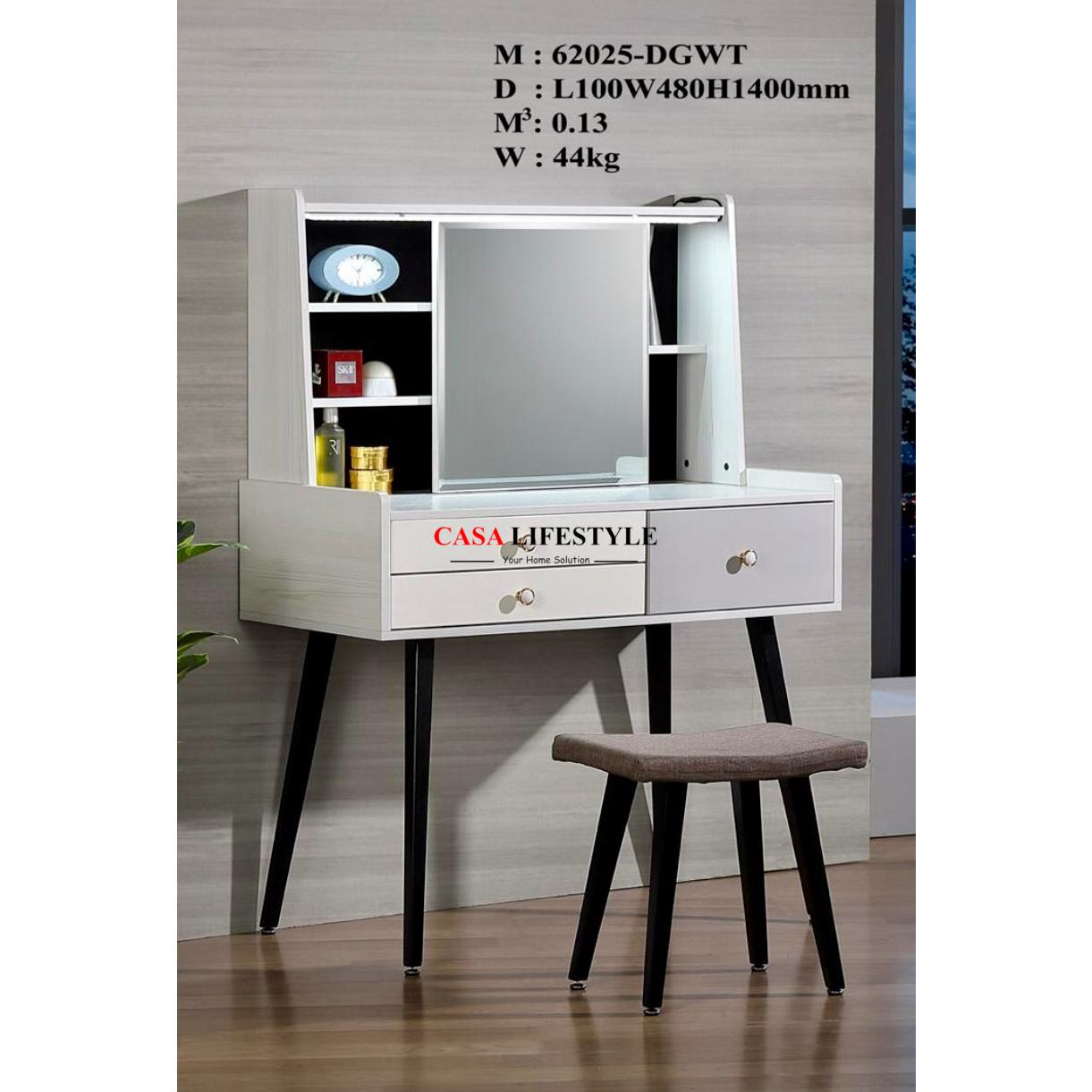
Malaysian-style dressing tables, with their rich cultural heritage and intricate craftsmanship, seamlessly integrate into a bedroom setting when space planning is thoughtfully considered. Their aesthetic appeal, coupled with functional storage solutions, transforms the bedroom into a harmonious blend of tradition and modern comfort. A well-integrated dressing table elevates the overall ambiance and provides a practical and visually appealing space for daily routines.The design and size of a Malaysian-style dressing table significantly influence the overall bedroom aesthetics.
A large, ornate table in a traditional design might overwhelm a smaller bedroom, while a compact, modern interpretation can add a touch of elegance to a spacious room. Proportions are key; a table that’s too large or too small for the available space can disrupt the visual balance of the room. Careful consideration of the room’s dimensions and existing furniture is essential to achieve a cohesive and inviting atmosphere.
Space Planning Considerations
Careful space planning is paramount when integrating a Malaysian-style dressing table into a bedroom. Positioning the table strategically, considering natural light and traffic flow, is crucial. For example, placing the table near a window maximizes natural light, while keeping it away from high-traffic areas ensures smooth movement around the room. Sufficient space around the table is vital for comfortable use and avoids a cramped feeling.
Design and Size Influence on Aesthetics
The design and size of the dressing table directly impact the overall aesthetic of the bedroom. A large, ornate table with intricate carvings, often associated with traditional designs, can lend a regal and luxurious touch. Alternatively, a smaller, modern table with clean lines and minimalist features can create a contemporary and sophisticated feel. The choice depends on the desired ambiance and the overall style of the bedroom.
Harmonious Colour Schemes
Selecting a colour scheme that complements both the dressing table and the rest of the bedroom is essential for visual harmony. Warm, earthy tones, such as rich browns, deep reds, and warm creams, are often associated with traditional Malaysian aesthetics and can create a cozy and inviting atmosphere. These colours can be combined with lighter shades, such as off-whites or pastels, to create a sense of spaciousness.
Conversely, cooler tones, such as blues or greens, can create a serene and refreshing feel. The colour scheme should be carefully chosen to enhance the natural light and complement the overall décor.
Lighting Strategies
Strategic lighting plays a vital role in highlighting both the dressing table and the entire bedroom. Ambient lighting, such as recessed lighting or pendant lamps, creates a soft glow throughout the room. Task lighting, such as a vanity light or a floor lamp, is crucial for the dressing table, providing focused illumination for grooming and makeup application. Layered lighting, combining ambient and task lighting, creates a versatile and functional environment.
Natural light should also be taken into account, and window treatments should be chosen to maximize natural light while maintaining privacy.
Bedroom Layouts with Malaysian-Style Dressing Tables
| Bedroom Layout | Dressing Table Placement | Description |
|---|---|---|
| Traditional Layout | Near a window, positioned as a focal point | Creates a formal and welcoming feel, emphasizing the table’s craftsmanship. |
| Contemporary Layout | In a corner, integrated with other furniture pieces | Blends seamlessly with a modern design aesthetic, emphasizing clean lines and functionality. |
| Small Bedroom Layout | Against a wall, using space-saving designs | Optimizes space in a smaller room while maintaining the table’s functionality. |
The table above illustrates various bedroom layouts that can accommodate Malaysian-style dressing tables. Each layout highlights different design principles and emphasizes the adaptability of these tables to different bedroom styles. The placement and integration of the dressing table should always consider the specific needs and preferences of the individual.
Cultural Significance and Symbolism
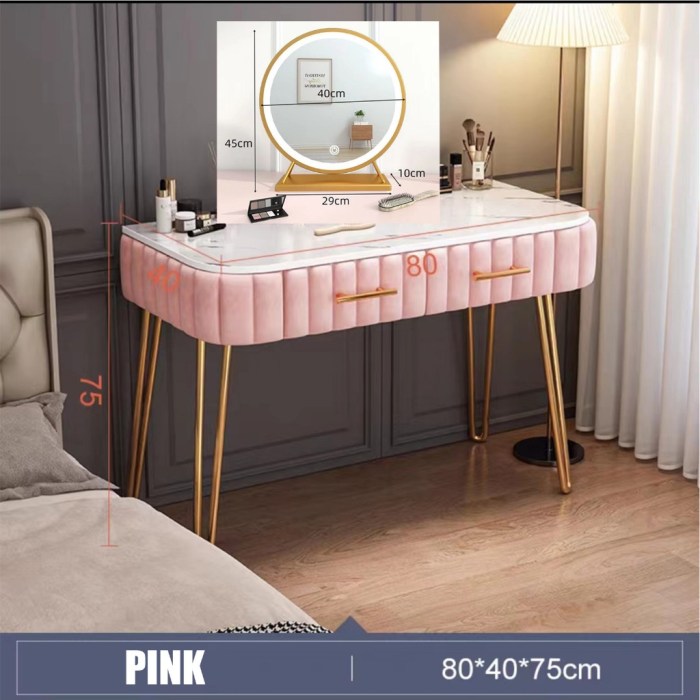
Malaysian-style dressing tables, far from being mere furniture, often embody a rich tapestry of cultural symbolism and craftsmanship. These pieces are imbued with the nation’s diverse heritage, reflecting the blending of Malay, Chinese, Indian, and indigenous traditions. The intricate designs, carefully selected materials, and symbolic motifs all contribute to the piece’s aesthetic appeal and cultural significance.The artistry and meticulous craftsmanship employed in creating these dressing tables are not merely decorative; they represent a deep-seated respect for tradition and a dedication to excellence.
Traditional motifs and decorative elements often tell stories, carry specific meanings, and communicate values cherished within the various communities of Malaysia. These pieces often serve as more than just a place for grooming; they act as a tangible link to the past, a visual narrative of cultural identity.
Cultural Symbolism in Design
Malaysian-style dressing tables often incorporate a range of cultural symbols, drawing on artistic traditions from various ethnic groups. For example, motifs like intricate floral patterns, often found on Malay-style furniture, may symbolize beauty, prosperity, and abundance. Similarly, Chinese-inspired designs, such as dragon motifs or auspicious symbols, might signify good fortune and longevity. Indian-inspired designs, like paisley patterns or floral embellishments, could represent elegance and beauty.
Role of Craftsmanship and Traditional Motifs
The craftsmanship involved in creating these dressing tables is paramount. Master artisans often spend considerable time perfecting the intricate details, ensuring each piece reflects the meticulousness and dedication of traditional techniques. Traditional motifs, whether floral patterns, geometric shapes, or animal figures, are carefully chosen to carry specific symbolic weight. The skill and artistry embedded in these pieces are highly valued and passed down through generations.
Significance of Decorative Elements
Decorative elements, beyond their aesthetic appeal, often carry symbolic meaning. Intricate carvings, inlay work, and the use of specific materials can all convey specific cultural messages. For instance, the choice of wood, such as teak or rosewood, might be significant for its durability and beauty, reflecting a commitment to quality and craftsmanship. The use of specific colours, such as gold or silver, might have symbolic connotations linked to auspiciousness or status.
Cultural Context of Material Selection
The selection of materials for Malaysian-style dressing tables is deeply rooted in cultural context. The choice of wood, for example, may be based on its availability, its cultural association with strength and longevity, or its aesthetic qualities. Materials like teak, known for its resilience and natural beauty, are frequently chosen to create pieces that stand the test of time, reflecting a respect for nature and the enduring quality of the material.
The use of precious metals or inlaid stones can further elevate the piece’s symbolic value and social standing.
Table: Cultural Symbolism in Malaysian-Style Dressing Tables
| Cultural Influence | Motif/Element | Symbolism |
|---|---|---|
| Malay | Floral patterns, arabesque designs | Beauty, prosperity, abundance, harmony |
| Chinese | Dragons, auspicious symbols (e.g., “Fu”), floral patterns | Good fortune, longevity, prosperity, auspicious beginnings |
| Indian | Paisley patterns, floral embellishments, intricate carvings | Elegance, beauty, prosperity, cultural heritage |
| Indigenous | Geometric patterns, natural motifs | Connection to nature, cultural identity, spiritual significance |
Modern Adaptations and Innovations
Malaysian-style dressing tables, steeped in tradition, are experiencing a resurgence in contemporary homes. This evolution blends time-honored aesthetics with modern functionality, appealing to a diverse range of tastes and lifestyles. The incorporation of innovative materials, space-saving designs, and digital integration reflects the dynamic spirit of modern Malaysian living.The core essence of these tables – a harmonious blend of elegance and practicality – remains intact.
However, they adapt to contemporary needs by employing innovative approaches to space utilization, material selection, and design, while still honoring the rich heritage of Malaysian craftsmanship.
Space-Saving Designs
Modern living often necessitates maximizing limited space. Malaysian-style dressing tables are responding by embracing compact designs. This involves clever use of vertical storage, multi-functional drawers, and integrated mirrors that serve as both decorative and practical elements. For example, tables featuring pull-out vanity trays or sliding compartments offer flexible storage solutions. This adaptability allows the dressing table to seamlessly integrate into smaller bedrooms or apartments, without compromising on its aesthetic appeal.
Modern Materials and Designs
Traditional Malaysian-style dressing tables often employed natural materials like teak and rosewood. Contemporary interpretations are incorporating a wider spectrum of materials, such as engineered wood with a natural finish, laminate, and even metal elements, adding a touch of modern sophistication. Design variations also include sleeker lines, minimalist aesthetics, and integrated lighting systems, reflecting the evolution of design trends. These modern touches enhance the overall visual appeal and maintain the timeless charm of the design.
Incorporation of Digital Elements
The integration of digital elements, such as touch-sensitive lighting controls or integrated smart mirrors with cosmetic applications, is transforming the dressing table into a versatile hub. For example, a mirror might connect to a smartphone app to display personalized schedules or offer beauty recommendations, enhancing the functionality of the space. Such innovative features demonstrate how traditional aesthetics can be seamlessly integrated with modern technology.
Summary of Modern Adaptations
| Modern Adaptation | Benefits |
|---|---|
| Space-Saving Designs | Maximizes limited space, provides flexible storage options, enhances functionality. |
| Modern Materials and Designs | Expands material choices, introduces sleek lines and minimalist aesthetics, increases visual appeal, and maintains traditional charm. |
| Incorporation of Digital Elements | Transforms the dressing table into a versatile hub, adds convenience, and offers personalized features. |
Last Recap
In conclusion, Malaysian-style dressing tables stand as a testament to the enduring legacy of craftsmanship and cultural expression. Their enduring appeal lies in the skillful combination of traditional aesthetics and contemporary functionality. From the meticulously crafted wood to the symbolic mirrors, these pieces embody a unique blend of heritage and innovation. The evolution of these tables reflects the dynamic interplay between tradition and progress, offering a compelling example of design’s ability to transcend time.
